Oud: More than a fragrance, a therapeutic tool for the soul and spirit
Oud, this precious wood nicknamed "liquid gold," has fascinated people for millennia. But did you know that beyond its captivating scent, it has unexpected benefits for our mental and spiritual well-being? Discover the science behind this mysterious essence and its ancestral role in meditation practices.
What is Oud?
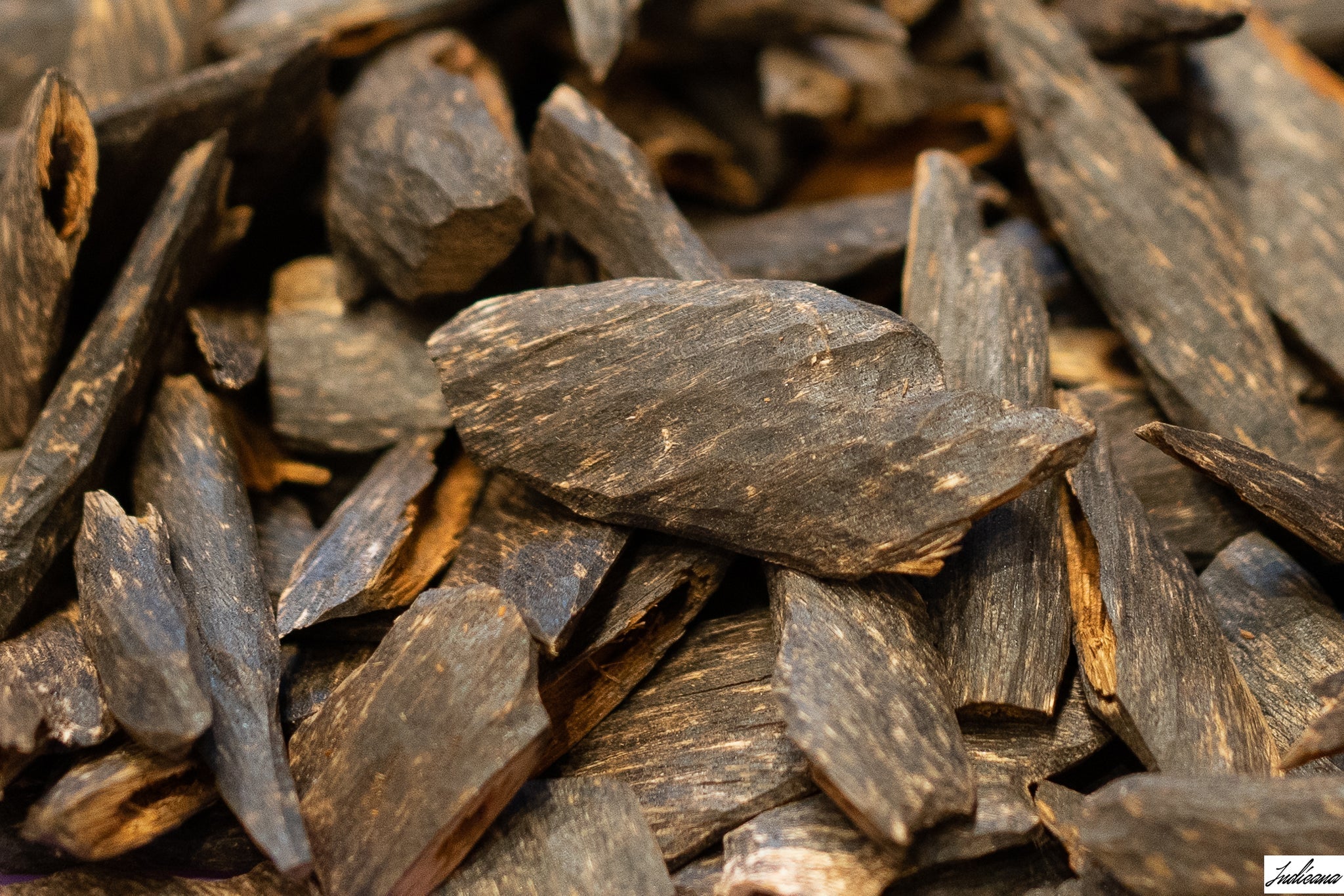
Oud, or agarwood, comes from a rare natural phenomenon: when the Aquilaria tree is injured by infection or wound, it secretes a dark, fragrant resin to defend itself. This resin takes years to form, creating one of the most precious raw materials in perfumery.

Why is it so rare?
- Only 2% of Aquilaria trees naturally produce this resin
- The formation of this resin can take 20 years or more
- Its rarity explains its price: up to several thousand euros per kilo
3000 years of spiritual history
Oud has not always been a perfumery ingredient. Long before that, it was an essential spiritual tool.
In Asia
Buddhist monks burned Oud during their meditations. Its smoke was believed to purify the spirit and facilitate spiritual connection.
In the Middle East
Oud symbolized sacred hospitality. It was offered to distinguished guests during important ceremonies.
In celebrations
Even today, Oud is diffused during celebrations to create an atmosphere conducive to joy and intimacy.
The science behind Oud: How it acts on our brain
Recent studies in olfactory neuroscience reveal fascinating effects of Oud on our nervous system.
Stress and anxiety reduction
The aromatic compounds in Oud, particularly sesquiterpenes, interact with our limbic system (the brain's emotional center). Here's what happens:
- Activation of the parasympathetic system: Oud stimulates the "rest and digest" part of our nervous system, slowing heart rate and promoting relaxation.
- Cortisol reduction: Research has shown that inhaling certain precious woods can reduce cortisol levels, the stress hormone.
- Serotonin production: Deep woody scents may promote the release of neurotransmitters linked to well-being.
Improved concentration
Oud helps to:
- Anchor attention in the present moment
- Reduce intrusive thoughts
- Create an "olfactory anchor" favorable to meditation
A 2019 study published in the Journal of Traditional Medicine demonstrated that aromatherapy using agarwood significantly improved meditation quality in participants.
Oud in modern wellness practices
Guided meditation
Many practitioners use Oud at the beginning of sessions to:
- Create a transition ritual between daily life and spiritual practice
- Establish an "olfactory signature" that signals to the brain it's time to relax
- Deepen the meditative state through its calming effect
Restorative yoga
Oud is particularly appreciated in practices such as:
- Yin yoga: to accompany long, passive postures
- Yoga nidra: to facilitate deep relaxation
- Pranayama: to enrich the breathing experience
Bedtime ritual
Wearing an Oud fragrance in the evening can become a signal to your brain: it's time to slow down, disconnect, and prepare for sleep.
How to integrate Oud into your wellness routine?
In the morning
Apply a few drops to your pulse points before your morning meditation. Let the fragrance anchor you in the present moment.
Before yoga
Lightly spray your mat or clothing. Oud will create an olfactory bubble conducive to practice.
In the evening
Integrate Oud into your bedtime ritual. Its calming effect promotes the transition to sleep.
As diffusion
If you practice meditation at home, burning Oud incense creates an ideal atmosphere (note: choose natural Oud, without chemicals).